
Our agents work with you to customize policies from the best insurance providers around. Explore Our Services
Start saving money on your insurance today. Personalized support and tailored policies are at your fingertips with AHL.
636-441-1411
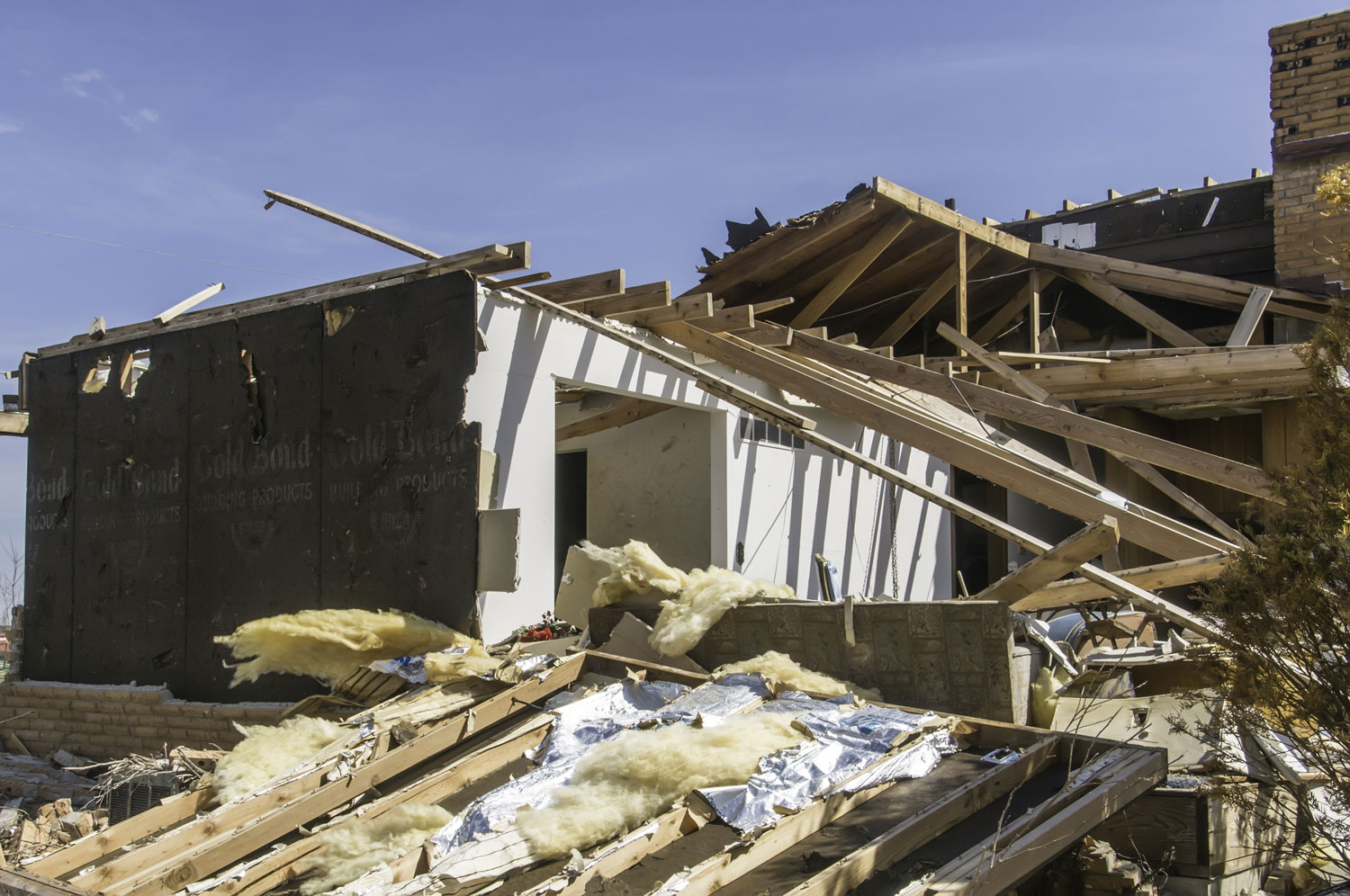
Earthquakes have occurred in 39 states since 1900, and about 90% of Americans live in areas considered seismically active. For many of our neighbors in St Charles, earthquake insurance can be inexpensive – contact AHL Insurance Agency to find out what the costs would be for your home.
Most homeowner, condo and rental insurance policies do not cover damage caused by an earthquake, but coverage can be purchased as an endorsement or a separate policy. You may be able to choose to purchase earthquake insurance from the same company that provides your home insurance, from a specialized earthquake insurance provider, or from an independent organization such as the California Earthquake Authority (CEA).
In all likelihood, almost the entire US would be better protected by purchasing earthquake insurance. Consider the facts:
Earthquake insurance provides coverage if your home is damaged by an earthquake. Standard homeowner and renters policies will not cover earthquake damage. Earthquake insurance is a separate endorsement you must buy and add to your homeowner or renters policy.
An earthquake endorsement generally excludes damages or losses from floods and tidal waves – even when caused or compounded by an earthquake. However, if you experience a loss due to a landslide, settlement, mudflow, or the rising, sinking and contracting of earth, your endorsement may cover it if the damage resulted from an earthquake.
There are several options to consider when purchasing earthquake insurance, including:
If you are inside when an earthquake hits, stay inside and get under a heavy table or desk. Stay away from windows. Do not evacuate the building unless emergency personnel direct you to leave.
If you are outside, get away from buildings and power lines, and remember that stone and masonry facings can break loose and fall away from upper parts of buildings.
If you are in a car, stop safely away from structures, large trees, power lines, and other hazards. Stay inside the vehicle.
Keep in mind:
Earthquake insurance needs can vary significantly – talk to us today to find out how to get the best price and value on earthquake insurance for you.
In 1968, Congress created the National Flood Insurance Program (NFIP) to help provide a means for property owners to financially protect themselves. The NFIP offers flood insurance to homeowners, renters, and business owners if their community participates in the NFIP. Participating communities agree to adopt and enforce ordinances that meet or exceed FEMA requirements to reduce the risk of flooding. Find out more about the NFIP and how it can help you protect yourself.
Learn about The NFIP Partnership.
Flood insurance protects two types of insurable property: building and contents. The first covers your building, the latter covers your possessions; neither covers the land they occupy.
The two most common reimbursement methods for flood claims are : Replacement Cost Value (RCV) and Actual Cash Value (ACV). The RCV is the cost to replace damaged property. It is reimbursable to owners of single-family, primary residences insured to within 80% of the buildings replacement cost.
All other buildings and personal property (i.e. contents) are valued at ACV. The ACV is the RCV at the time of loss minus physical depreciation. Personal property is always valued using the ACV.
Contact AHL Insurance Agency or call 636-441-1411 to identify the best combination of coverage, value and price just for you.

AHL Insurance Agency is a local St. Charles, MO insurance agency servicing the entire state of Missouri.
Copyright © 2026 All Rights Reserved AHL Insurance Agency